Replacing a windshield on a Subaru with EyeSight in Boulder
What makes EyeSight windshields different, why the glass and the calibration both matter, and what Boulder Outback, Forester, and Crosstrek owners should expect.
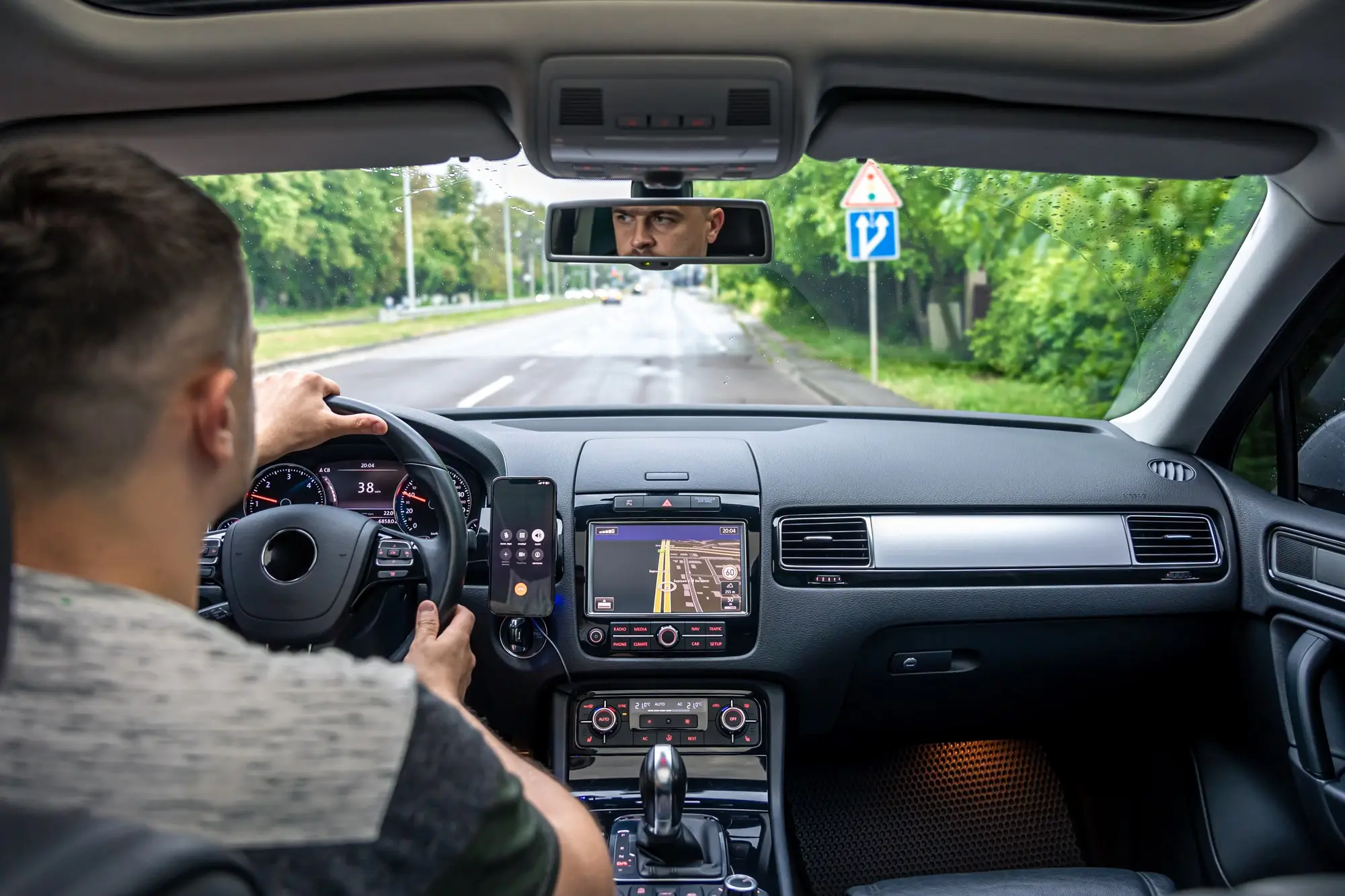
Boulder may have more Subarus per capita than anywhere outside Japan, and most of the ones built since about 2015 carry EyeSight, Subaru's stereo camera system mounted at the top of the windshield. EyeSight runs adaptive cruise, pre-collision braking, lane-departure warning, and lane centering. It also makes a windshield replacement a more careful job than it used to be.
Why the glass itself matters
EyeSight uses two cameras a few inches apart and compares their images to judge distance, the way your eyes do. The patch of glass in front of them has to be optically clean, with the right tint band, the right thickness, and no distortion. Subaru specifies this in its service literature and recommends OEM glass. Several major glass makers now produce EyeSight-compatible aftermarket windshields that meet the spec, and those are a reasonable choice on older models. On newer Outbacks, Foresters, Crosstreks, and Ascents we usually recommend OEM, because the cost difference is modest relative to a calibration that fails and has to be repeated.
Calibration is mandatory
After any EyeSight windshield replacement, Subaru requires the cameras to be recalibrated. The procedure is static: the car sits level on a flat floor with a target board set at a measured distance and height, and the diagnostic tool walks the cameras through aiming. Tire pressure, fuel level, and even a loaded cargo area can throw it off, so the technician checks those first. Expect about an hour on top of the replacement, and expect it to be done in a garage or a flat, well-lit lot rather than on a sloped Boulder driveway. Our calibration guide covers the general process.
What it costs
EyeSight windshields in Boulder generally run $600 to $1,100 installed, including calibration. OEM glass sits at the top of that range. Comprehensive coverage handles the bill after your deductible, and because these are expensive windshields, the claim usually makes sense. Full ranges by vehicle type are in the cost guide.
Signs the last replacement was done wrong
- A warning on the dash that EyeSight is temporarily disabled, especially in clear weather.
- Adaptive cruise that brakes late or hunts for the car ahead.
- Lane-centering that pulls toward one side on a straight road like the Diagonal.
- A sticker or logo on the windshield that does not match the model year.
Any of those after a windshield job means the calibration was skipped or failed, and the fix is a proper recalibration, not another windshield.
Repair first when you can
All of this is a reason to repair chips on an EyeSight Subaru quickly. A chip repair outside the camera's field of view is a 30-minute job for under $150 and avoids the whole replacement-and-calibration process. Once a crack reaches the top center of the glass, in front of the cameras, replacement is the only option.